| O You who fast, since you have distinctly pleased God, behold, the table of the kingdom is set before you. | ܐܳܘ ܨܰܝ̈ܳܡܶܐ ܕܦܳܪܘܽܫܳܐܺܝܬ ܫܦܰܪܘ ܠܰܐܠܳܗܳܐ. ܗܳܐ ܦܳܬܘܽܪܳܐ ܕܒܶܝܬ ܡܰܠܟܘܽܬܳܐ ܣܺܝܡ ܩܘܽܕܡܰܝܟܘܽܢ܀ |
| The one who has always loved fasting and has [always] rejoiced in it, their lives are joined to God and they delight in Him. | ܐܰܝܢܳܐ ܕܰܐܚܒܶܗ ܠܨܰܘܡܳܐ ܟܽܠܙܒܰܢ ܘܶܐܬܓܰܐܺܝ ܒܶܗ. ܒܶܗ ܒܰܐܠܳܗܳܐ ܐܳܣܪܺܝܢ ܚܰܝ̈ܰܘܗ̱ܝ ܐܳܦ ܡܶܬܒܰܣܰܡ܀ |
| The one who sustains their daily fast with God, the temporal hunger will not squash them, for God is their sustenance. | ܐܰܝܢܳܐ ܕܰܣܡܺܝܟ ܥܰܠ ܐܰܠܳܗܳܐ ܒܨܰܘܡܶܗ ܟܽܠܝܘܽܡ. ܠܳܐ ܫܳܚܶܩ ܠܶܗ ܟܰܦܢܳܐ ܕܙܰܒܢܳܐ ܕܗܘܽܝܘܽ ܚܰܝ̈ܰܘܗ̱ܝ܀ |
| May the Church worship the Father Who crowned her with the crown of fasting and her children give thanks unto the Son, who fasted for our sake. | ܬܶܣܓܘܽܕ ܥܺܕ̱ܬܳܐ ܠܰܐܒܳܐ ܕܟܰܠܠܳܗ݀ ܒܰܟܠܺܝܠ ܨܰܘܡܳܐ. ܘܢܰܘܕܘܽܢ ܝ̈ܰܠܕܶܝܗ݀ ܠܰܒܪܳܐ ܕܨܳܡ ܗ̱ܘܳܐ ܡܶܛܽܠܳܬܰܢ܀ |
Tag: Maronite
Balai of Qenneshrin on Jesus Entering Jerusralem
Posted on — Leave a comment
| Zechariah gave a colt to his Lord who rode it. He stood and cried out to the daughter of Sion, “Receive your King.” | ܙܟܰܪܝܳܐ ܝܰܗ̱ܒ ܗ̱ܘܳܐ ܥܺܝܠܳܐ ܠܡܳܪܶܗ ܘܰܪܟܶܒ ܥܠܰܘܗ̱ܝ. ܘܩܳܡ ܩܳܥܶܐ ܠܳܗ݀ ܠܗܳܝ ܒܰܪ̱ܬ ܨܶܗܝܘܽܢ ܕܩܰܒܶܠܝ ܡܰܠܟܶܟܝ܀ |
| Sion says, “If He enters me, I will crucify Him.” The prophet says, “His Cross is alive. It will extirpate you.” | ܐܳܡܪܳܐ ܨܶܗܝܘܽܢ ܐܶܢ ܥܳܐܶܠ ܠܺܝ ܨܳܠܒܳܐ ܐ̱ܢܳܐ ܠܶܗ. ܐܳܡܪܳܐ ܢܒܺܝܳܐ ܨܠܺܝܒܶܗ ܚܰܝܳܐ ܗܘܽ ܥܳܩܰܪ ܠܶܟܝ܀ |
| Sion says, “Why did He ride a colt and come to me? According to the law of kings, He does not bestride a mule.” | ܐܳܡܪܳܐ ܨܶܗܝܘܽܢ ܥܰܠ ܡܘܽܢ ܥܺܝܠܳܐ ܪܟܶܒ ܘܶܐܬܳܐ ܠܺܝ. ܐܰܝܟ ܢܳܡܘܽܣܳܐ ܕܡ̈ܰܠܟܶܐ ܠܳܐ ܝܳܺܬܶܒ ܥܰܠ ܟܘܽܕܰܢܝܳܐ܀ |
| Glory to the Father, Who willed to send His Only-Begotten. Worship to the Son, Who rode a colt in the streets of Sion. | ܫܘܽܒܚܳܐ ܠܰܐܒܳܐ ܕܰܨܒܳܐ ܘܫܰܕܰܪ ܠܺܝܚܺܝܕܳܝܶܗ. ܘܣܶܓܕܬܳܐ ܠܰܒܪܳܐ ܕܰܪܟܺܝܒ ܥܺܝܠܳܐ ܒܫ̈ܘܽܩܰܝ ܨܶܗܝܘܽܢ܀ |
Balai of Qenneshrin – Another Hymn on Fasting
Posted on — Leave a comment| The subject of fasting stirs me to talk about it. Let everyone open the door to their ears prudently. | ܫܰܪܒܶܗ ܕܨܰܘܡܳܐ ܗܳܐ ܪܳܦܶܬ ܒܺܝ ܕܰܥܠܰܘܗ̱ܝ ܐܶܡܰܪ ܆ ܢܶܦܬܰܚ ܟܽܠܢܳܫ ܬܰܪܥܳܐ ܕܶܐܕܢܰܘ̈ܗ̱ܝ ܦܳܪܘܽܫܳܐܺܝܬ ܀ |
| Fasting is a gate, through which one enters before God. Whoever does not love it, their prayers are always in vain. | ܨܰܘܡܰܐ ܗ̱ܘ ܬܰܪܥܳܐ ܕܒܶܗ ܥܳܐܶܠ ܐ̱ܢܳܫ ܨܶܝܕ ܐܰܠܳܗܳܐ ܆ ܘܰܕܠܳܐ ܪܰܚܡܶܗ ܨܠܘܽܬܶܗ ܟܽܠܫܳܥ ܗܳܐ ܒܰܛܺܝܠܳܐ ܀ |
| Immoral acts would never be committed by a person who loved fasting, for it expels a vile life from parts of the body. | ܓܰܘܪܳܐ ܡܶܡܬܘܽܡ ܒܰܐܝܢܳܐ ܕܪܰܚܡܶܗ ܠܳܐ ܡܶܫܬܰܡܰܫ ܆ ܕܚ̈ܰܝܶܐ ܫܟܺܝܪ̈ܶܐ ܛܳܪܶܕ ܨܰܘܡܳܐ ܡܶܢ ܗܰܕܳܡ̈ܶܐ ܀ |
| Glory to the Father, Who gave us fasting, for it is holy. Worship to the Son, Who, through His fasting, paid our debts. | ܫܘܽܒܚܳܐ ܠܰܐܒܳܐ ܕܝܰܗ̱ܒ ܠܰܢ ܨܰܘܡܳܐ [ܕܗܘܽܝܘܽ] ܩܰܕܺܝܫ ܆ ܘܣܶܓܕܬܳܐ ܠܰܒܪܳܐ ܕܰܒܝܰܕ ܨܰܘܡܶܗ ܦܪܰܥ ܚܰܘ̈ܒܳܬܰܢ ܀ |
Early Syriac Theology With Special Reference to the Maronite Tradition
Posted on — Leave a comment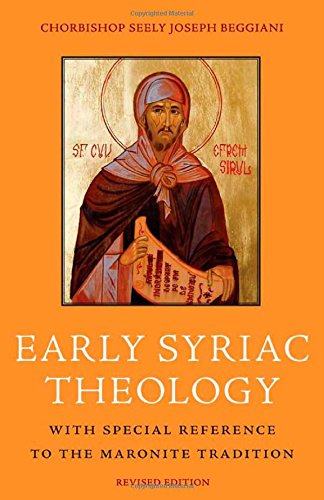
x

Short Biography
Chorbishop Seely Beggiani, S.T.D. was Rector of Our Lady of Lebanon Maronite Seminary from 1968 to 2013, and Adjunct Associate Professor of Theology and Religious Studies at The Catholic University of America from 1967 to 2014. He has researched and written on a variety of subjects including systematic theology, Maronite Church history, Maronite liturgy, Syriac theology, and Eastern Christian Spirituality.
His doctoral dissertation at The Catholic University of America in 1963 is entitled: The Relations of the Holy See and the Maronites from the Papacy of Pope Gregory XIII (1572-1585) to the Synod of Mount Lebanon in 1736. His book, Early Syriac Spirituality: with special reference to the Maronite Tradition, was published by Catholic University Press in 2014. Among his published articles during the past 50 years are: “A Case for Logocentric Theology,” Theological Studies 32 (1971): 371-46, “Theology at the Service of Mysticism: Method in Pseudo-Dionysius the Areopagite,” Theological Studies 57 (1996): 201-23, “The Typological Approach of Syriac Sacramental Theology,” Theological Studies 64 (2003): 543-557, and “The Incarnational Theology and Spirituality of John the Solitary of Apamea,” Hugoye: Journal of Syriac Studies 21.2 (2018):391-421. In retirement, Chorbishop Beggiani is preparing a manuscript for publication entitled: “A Thematic Introduction to Syriac Spirituality.” He continues to offer courses in Maronite and Syriac studies at the Maronite Seminary and to offer lectures to various audiences.

St. Ephrem, who was proclaimed a Doctor of the Universal Church by Pope Benedict XV, and Jacob of Serugh were two of the earliest and most important representatives of the theological world-view of the Syriac Church. A good part of their work was in the form of hymns and metrical homilies wherein theology was expressed in poetry. This present work strives to present their insights in a systematic form according to headings used in western treatises, while not undermining the originality and cohesiveness of their thought. The material is organized under the themes of the hiddenness of God, creation, and sin, revelation, incarnation, redemption, divinization and the Holy Spirit, the Church, Mary, the mysteries of initiation, eschatology, and faith.
This work notes the paradox of God’s utter mysteriousness and yet his presence in all that he has created. The kenosis (emptying) of the Word of God is found not only in the human nature of Christ but in the finite words of Sacred Scripture. The purpose of these actions is for the divine to make itself accessible to humans. The triple descent of the Son of God into the womb of Mary, the Jordan River at his baptism, and into Sheol at his death were actions directed both to redemption and divinization. The system of types and antitypes used in Sacred Scripture are employed to demonstrate the sacraments as extensions of Christ’s actions through history.
The goal of this work is to display the rich theological insights the early Syriac fathers provide to the tradition of the universal church. A second purpose of this work is to highlight the fact that the liturgical tradition of the Maronite Church, one of the Syriac Churches, is consistently and pervasively a living expression of the theology of these to Syriac church fathers. This is done through citations from the Maronite divine liturgy, ritual, and divine office.
While monographs on specific themes in St. Ephrem and James of Serugh have been published in English and other modern languages, this work aims to present a complete overview of the theological world-view of these Syriac writers.
Balai of Qenneshrin on Fasting
Posted on — Leave a comment| Blessed are they who fast. When the King appears and finds them clad with the clothes of the kingdom, on account of their fast, He shall grant [them] everlasting blessings. | ܛܘܽܒܰܘܗ̱ܝ ܠܨܰܝܳܡܳܐ ܆ ܡܳܐ ܕܕܳܢܰܚ ܡܰܠܟܳܐ ܆ ܘܡܶܫܟܰܚ ܠܶܗ ܕܰܠܒܺܝܫ ܆ ܠܒ̈ܘܽܫܶܐ ܕܡܰܠܟܘܽܬܳܐ ܆ ܚܠܳܦ ܨܰܘܡܶܗ ܝܳܗܶܒ ܆ ܛܘ̈ܽܒܶܐ ܕܠܳܐ ܡܰܘܦܶܝܢ ܀ |
| They who, with love, observe fasting shall be full of peace and love toward all people, for, by their fast and love, they shall be pleasing to God. | ܐܰܝܢܳܐ ܕܰܒܚܘܽܒܳܐ ܆ ܨܳܐܶܡ ܠܶܗ ܠܨܰܘܡܳܐ ܆ ܢܶܗܘܶܐ ܡܠܶܐ ܫܰܝܢܳܐ ܆ ܘܚܘܽܒܳܐ ܠܘܳܬ ܟܽܠܢܳܫ ܆ ܕܰܒܨܰܘܡܶܗ ܘܚܘܽܒܶܗ ܆ ܢܪܰܥܶܝܘܗ̱ܝ ܠܰܐܠܳܗܳܐ ܀ |
| For this is the fast that bequeaths the kingdom to those who unite to them love and alms. Blessed are they who labor and toil in their labor. | ܗܳܢܰܘ ܓܶܝܪ ܨܰܘܡܳܐ ܆ ܕܡܰܘܪܶܬ ܡܰܠܟܘܽܬܳܐ ܆ ܐܰܝܢܳܐ ܕܰܚܠܺܝܛ ܒܶܗ ܆ ܚܘܽܒܳܐ ܘܙܶܕܩ̈ܳܬܳܐ ܆ ܛܘܽܒܰܘܗ̱ܝ ܠܡܰܢ ܕܰܦܠܰܚ ܆ ܘܰܕܥܶܬ ܒܦܘܽܠܚܳܢܶܗ ܀ |
| Glory to the mercies who sent you for our salvation. Messiah, full of mercies, have pity on us, whose hope is in You, accept our worship, and may our fast be pleasing to you, Lord. | ܫܘܽܒܚܳܐ ܠܗܘܽܢ ܪ̈ܰܚܡܶܐ ܆ ܕܫܰܠܚܘܽܟ ܠܦܘܽܪܩܳܢܰܢ ܆ ܡܫܺܝܚܳܐ ܡܠܶܐ ܪ̈ܰܚܡܶܐ ܆ ܚܘܽܢ ܠܰܢ ܕܒܳܟ ܣܰܒܪܰܢ ܆ ܘܩܰܒܶܠ ܬܶܫܡܶܫܬܰܢ ܆ ܘܨܰܘܡܰܢ ܢܪܰܥܶܝܟ ܡܳܪܝ ܀ |
Praying with Balai of Qenneshrin
Posted on — 1 Comment| Your loving-kindness shall be sad upon seeing my stains, yet may it petition Your justice lest I be cast out altogether. | ܬܶܟܪܶܐ ܠܛܰܝܒܘܽܬܳܟ ܆ ܡܳܐ ܕܚܳܙܝܳܐ ܠܟ̈ܘܽܬܡܳܬܝ ܆ ܘܬܰܦܺܝܣ ܠܟܺܐܢܘܽܬܳܟ ܆ ܕܠܳܐ ܐܶܫܬܕܶܐ ܠܰܓܡܳܪ ܀ |
| Although there are no deeds, save me because of my faith. Save me because of one thing alone, because of Your loving-kindness. | ܘܐܳܦܶܢ ܥ̈ܒܳܕܶܐ ܠܰܝܬ ܆ ܐܰܚܳܢܝ ܒܗܰܝܡܳܢܘܽܬܳܝ ܆ ܒܰܚܕܳܐ ܚܕܳܐ ܒܰܠܚܘܽܕ ܆ ܐܰܚܳܢܝ ܒܛܰܝܒܘܽܬܳܟ ܀ |
| Lift me up, the lowest of all, and make the weakest of all to understand. Let your compassion, Lord, gush forth toward me because of Your loving-kindness. | ܘܥܰܠܳܢܝ ܒܨܺܝܪ ܡܶܢ ܟܽܠ ܆ ܘܣܰܟܶܠ ܡܚܺܝܠ ܡܶܢ ܟܽܠ ܆ ܢܶܫܦܰܥ ܚܢܳܢܳܟ ܡܳܪܝ ܆ ܨܶܐܕܰܝ ܒܛܰܝܒܘܽܬܳܟ ܀ |
| Glory be to You, Christ, the hope, for Whom all sinners have waited and to Whom they pray. | ܠܳܟ ܫܘܽܒܚܳܐ ܡܫܺܝܚܳܐ ܆ ܣܰܒܪܳܐ ܕܠܶܗ ܣܰܟܺܝܘ ܆ ܟܽܠܗܘܽܢ ܚ̈ܰܛܳܝܶܐ ܆ ܕܠܶܗ ܗܘܽ ܡܶܬܟܰܫܦܺܝܢ ܀ |
My Vision of the Maronite Church
Posted on — Leave a comment
- The Antiochene Syriac Maronite Church is depicted as a Cedar of Lebanon. She is founded on Christ (the cross) who is the cornerstone of all churches and she is nourished by God’s Word as found in both Testaments of the Bible. Her roots are based in Jerusalem (the mother of all Churches), Antioch, Edessa and Nisibis, and Lebanon, the See of the Maronite Patriarch.

- For the Maronites, the Cedar of Lebanon represents Mary. In the Maronite Marian litany we find, “O Cedar of Lebanon pray for us.”
- The cross represents Jesus, the Son of God, who freely accepted death on the cross between two thieves and was vindicated and resurrected by His Father.
- The Maronite Church embraced Mary as her mother following Jesus’ words to his beloved disciple “Behold, your mother.” And as “from that hour the disciple took her into his home,” the Maronite faithful took Mary into their own homes. Wherever the Maronite Patriarch’s See ended up Mary was at its heart. She is the Patron Saint of every Maronite Patriarch’s chapel.
- Maronites should return to their Syriac Heritage which is biblical. “Save me, O Lord, from the poison of the Greeks (i.e. philosophy)” uttered Saint Ephrem. The Syriac Fathers used typology in interpreting the Bible. The image of the Cross of Christ was evoked in their mind every time they read a reference to trees and wood in the Old Testament. Therefore, the Cedar of Lebanon refers to the cross.
- The Maronite Church is a universal Church with roots extending in all continents. Her branches embrace the world as a mother embraces her children without distinction and discrimination. Let us not forget the parable given by Christ, “The kingdom of heaven is like a mustard seed that a person took and sowed in a field. It is the smallest of all the seeds, yet when full-grown it is the largest of plants. It becomes a large bush, and the birds of the sky come and dwell in its branches” (Mt. 13:31) The same parable is being evoked. A cedar tree, however, is used instead of a mustard tree.
Growth of the Maronite Church in the United States – Five Necessary Components
Posted on — 6 Comments

Introduction
I am excited and privileged to be at the forty-seventh Maronite Convention. “The Identity of the Maronite Church” and “Welcoming Non-Maronites into our Faith and Heritage” are two very important topics that are dear to my heart. Instead of treating them separately I would like to address them in the context of the growth of the Maronite Church in the United States – if I may say, “Looking at the whole forest rather than individual trees.”
The Maronite Church in the United States has definitely grown in the last three decades. There is a high probability that this growth is largely due to the influx of immigrants who left their homelands seeking a better life in this country. Thank God for immigrants! Their contribution has been tremendous to our nation and Church, yet the Church’s growth cannot only depend on the waves of immigrants coming from the Middle East. After all, we, as a Church, are called to abide by Christ’s Divine Commission “to make disciples of all nations” (Matthew 28:18-20). The growth of the Maronite Church in this country might have been limited in part because our congregations have been integrating mostly – if not almost exclusively – (Middle Eastern) immigrants. However, there are many other reasons why the growth of the Church was limited. My objectives are not to enumerate or examine them all, but rather to propose five necessary components that will Lead to the growth of the Maronite Church in the United States.
Continue reading Growth of the Maronite Church in the United States – Five Necessary ComponentsCatechetical, Liturgical, and Biblical Implications of the Hoosoyo in Contemporary Maronite Tradition
Posted on — Leave a commentWritten by Fr. Anthony Salim, Pastor of St. Joseph Maronite Church, Olean, NY and author of Captivated by your Teachings

When Professor Miller asked me to consider presenting a paper at this symposium, he told me that he wanted to have a living witness to the ideas in the papers of the other presenters. I genuinely think that the current liturgical tradition of the Maronite Church fits the bill. Thus, the purpose of this paper will be to demonstrate how a central liturgical form of the Antiochene West Syriac Tradition, namely the hoosoyo, has come to be understood as a both an effective catechetical tool on passing on the Faith and a source for Maronite interpretation of the Bible.
Continue reading Catechetical, Liturgical, and Biblical Implications of the Hoosoyo in Contemporary Maronite TraditionTo Be a Maronite, to Be a Maronite in the United States
Posted on — 3 Comments
x
Short Biography
Chorbishop Seely Beggiani, S.T.D. was Rector of Our Lady of Lebanon Maronite Seminary from 1968 to 2013, and Adjunct Associate Professor of Theology and Religious Studies at The Catholic University of America from 1967 to 2014. He has researched and written on a variety of subjects including systematic theology, Maronite Church history, Maronite liturgy, Syriac theology, and Eastern Christian Spirituality.
His doctoral dissertation at The Catholic University of America in 1963 is entitled: The Relations of the Holy See and the Maronites from the Papacy of Pope Gregory XIII (1572-1585) to the Synod of Mount Lebanon in 1736. His book, Early Syriac Spirituality: with special reference to the Maronite Tradition, was published by Catholic University Press in 2014. Among his published articles during the past 50 years are: “A Case for Logocentric Theology,” Theological Studies 32 (1971): 371-46, “Theology at the Service of Mysticism: Method in Pseudo-Dionysius the Areopagite,” Theological Studies 57 (1996): 201-23, “The Typological Approach of Syriac Sacramental Theology,” Theological Studies 64 (2003): 543-557, and “The Incarnational Theology and Spirituality of John the Solitary of Apamea,” Hugoye: Journal of Syriac Studies 21.2 (2018):391-421. In retirement, Chorbishop Beggiani is preparing a manuscript for publication entitled: “A Thematic Introduction to Syriac Spirituality.” He continues to offer courses in Maronite and Syriac studies at the Maronite Seminary and to offer lectures to various audiences.

To be a person of faith involves several dimensions. Religious faith is the conviction that all of reality, despite the many aspects of life that seem to go wrong, is radically good and has an ultimate purpose. Faith arises from an encounter where God offers us his unconditioned love and awaits our response. For the Christian, faith is the choice to see God, the world, and ourselves through the eyes of Jesus Christ, and the decision to live our lives according to His teachings and His way of life. Faith is embodied in liturgical worship, creeds, a code of morality, and commitments to action especially against injustice.
Continue reading To Be a Maronite, to Be a Maronite in the United States