Introduction to Syriac Spirituality: A Thematic Approach

Posted on Leave a comment
Introduction To Spirituality: A Thematic Approach

A New Book
by Chorbishop Seely Beggiani

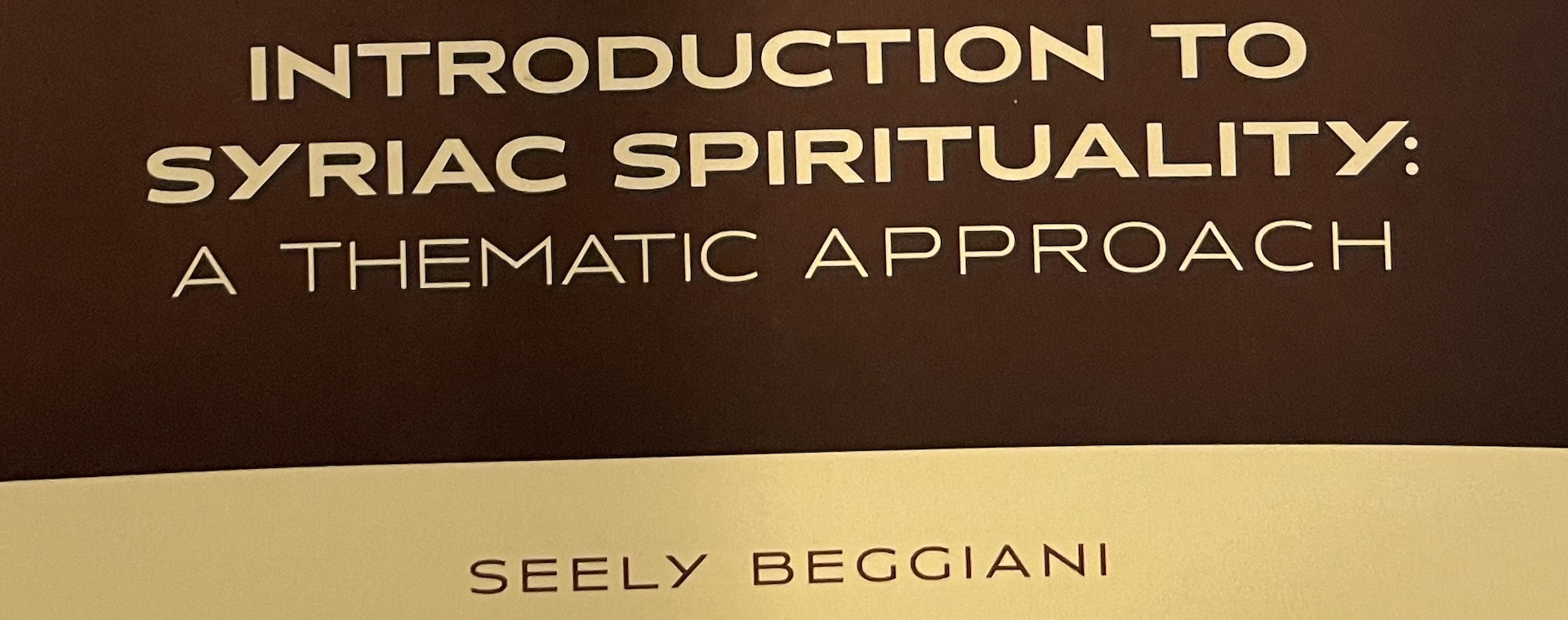
Introduction to Syriac Spirituality: A Thematic Approach is an introduction to Syriac spirituality by presenting the themes and insights of a selection of major Syriac writers who lived from the fourth to the eighth centuries. Its approach is not to devote separate chapters to each writer, but to present a synthesis of the Syriac writers of this period according to the principal themes found in their body of work. Since many of the authors cited do not write in a systematic and analytical fashion, this work strives to give an orderly presentation of how Syriac spirituality progressed in those early centuries.

To provide a context for better understanding the approach of these writers, the first chapter of this work presents a theological context within which Syriac spirituality developed.

Besides Syriac writers, the teachings of Evagrius of Pontus have been included because they had a significant influence on many of the writers cited. Pseudo-Dionysius the Areopagite is also included because some of his ideas were incorporated by Isaac of Nineveh and other later Syriac writers.


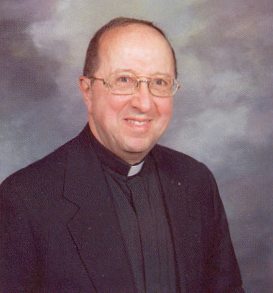
Chorbishop Seely Beggiani is former rector of Our Lady of Lebanon Maronite Seminary and former Adjunct Associate Professor of Theology and Religious Studies at The Catholic University of America.
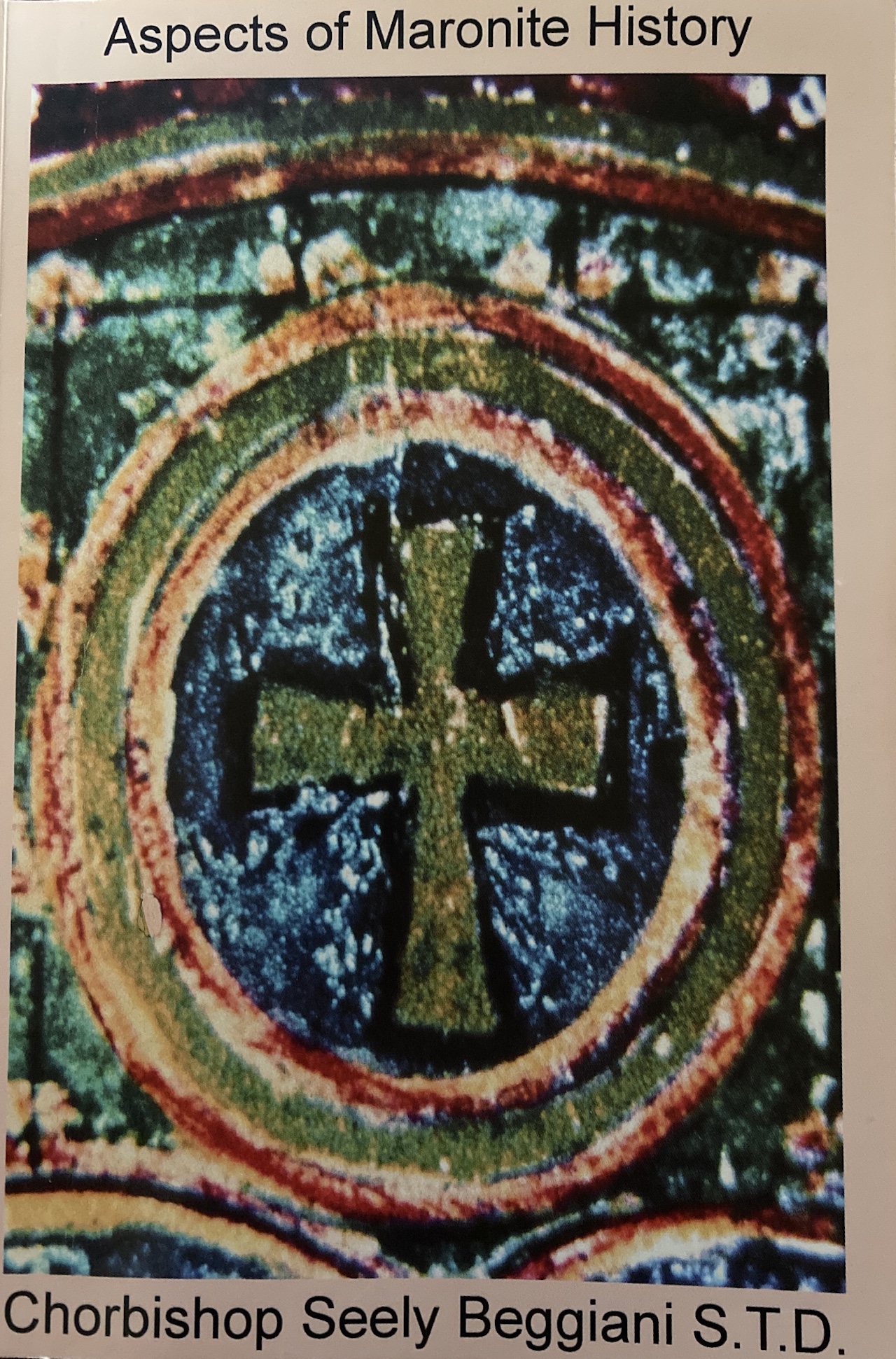
The Cross in the Light of Jesus Christ: Theology of the Cross in the Maronite Book of Offering

Posted on 2 Comments

Armando Elkhoury


The cross is a heinous instrument of execution. Why, then, do Maronites and other Christians venerate it? The cross adorns our necks, for example, and we hang it in our homes, churches, workplaces, etc. At various liturgies, we adore the cross by kissing and bowing to it. We refer to it as the cross of splendor, the cross of wonder, and the cross of glory, and the Church celebrates the feast of the Exaltation of the Glorious Cross each year, on September 14.

The cross, in and of itself, depicts total defeat and horrendous death. Paradoxically, the cross of Jesus Christ symbolizes victory and life. Why? Precisely because of who Jesus the Nazarene is: he is the Messiah, the Son of God, the Crucified One. Hence, in the light of Jesus Christ, let us explore a couple of theological themes about the cross found in the Maronite Book of Offering—henceforth BO.

Continue reading The Cross in the Light of Jesus Christ: Theology of the Cross in the Maronite Book of Offering

Season of the Glorious Cross: The Exaltation of the Cross – (Maronite Divine Liturgy)

Posted on Leave a comment

Alejandro Landin
Translator


Syriac Melody: ܪܰܡܪܶܡܰܝܢܝ
Our Savior, guard Your Church and her children with the Cross of Light because it is the source of life and fulfillment of all mysteries.ܒܰܨܠܺܝܒ ܢܘܽܗܪܳܐ ܦܳܪܘܽܩܰܢ ܆ ܢܰܛܰܪ ܠܥܺܕܬܳܟ ܘܰܠܝ̈ܰܠܕܶܝܗ̇ ܆ ܕܡܰܒܘܽܥܳܐ ܕܚ̈ܰܝܶܐ ܐܺܝܬܰܘܗ̱ܝ ܆ ܘܫܘܽܡܠܳܝܳܐ ܕܟܽܠܗܘܽܢ ܪ̈ܳܐܙܶܐ ܀
With Your Cross, the power of your divinity, the priest signs Your Body and Blood on the altar and consecrates the mysteries of Your Church.ܒܰܨܠܺܝܒܳܟ ܪܳܫܶܡ ܟܳܗܢܳܐ ܆ ܦܰܓܪܳܟ ܘܰܕܡܳܟ ܥܰܠ ܡܰܕܒܚܳܐ ܆ ܒܫܘܽܠܛܳܢܳܐ ܕܰܐܠܳܗܘܽܬܳܟ ܆ ܘܰܡܩܰܕܶܫ ܪ̈ܳܐܙܶܐ ܕܥܺܕܬܳܟ ܀
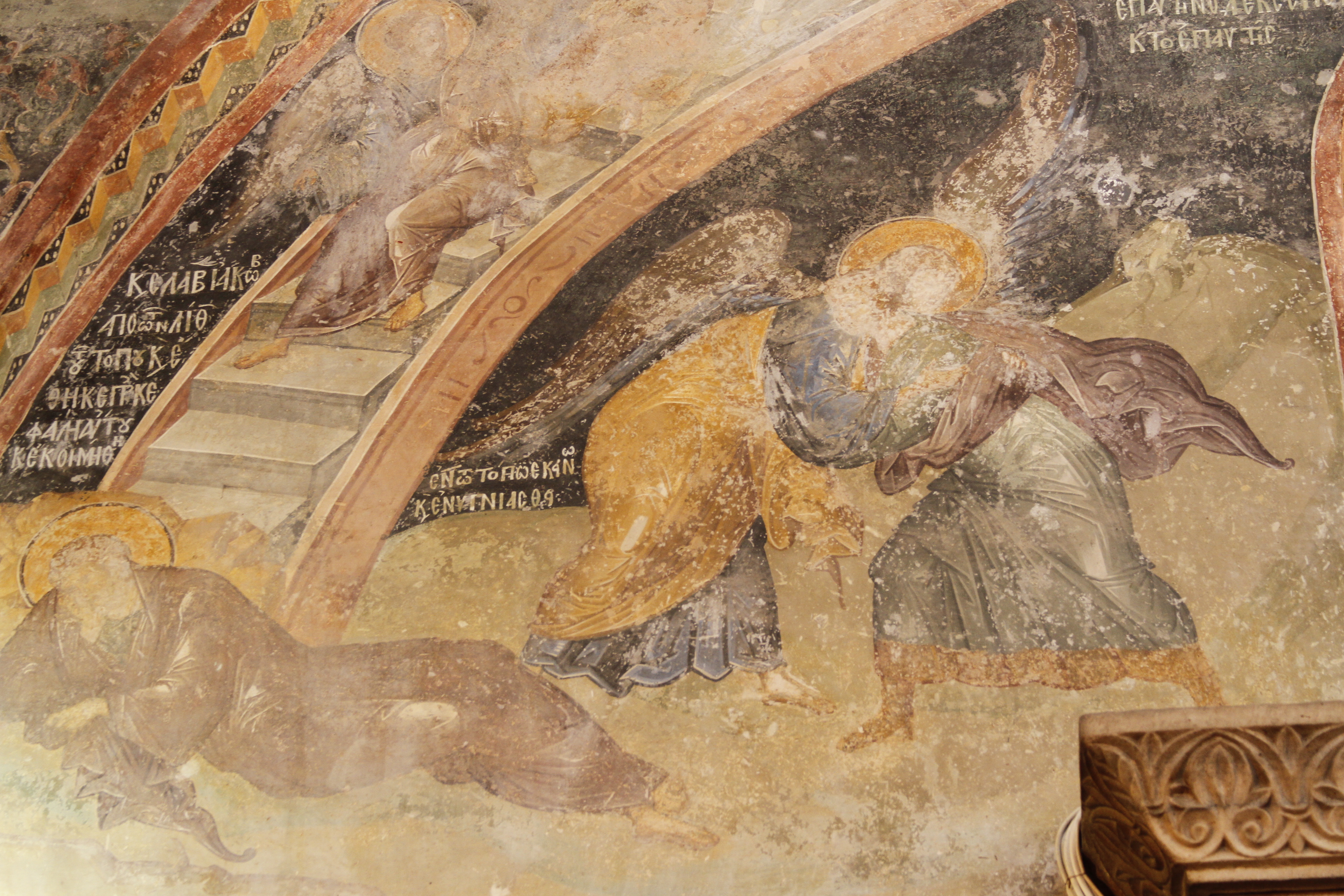
Our Savior, Your Cross, which became a ladder [see Gn 28:10-17] for Your Church, is blessed, and by it, mortals are raised and joined to the Spiritual Beings.ܒܪܺܝܟ ܗ̱ܘܽ ܨܠܺܝܒܳܟ ܦܳܪܘܽܩܰܢ ܆ ܕܰܗܘܳܐ ܠܥܺܕܬܳܟ ܣܶܒܶܠܬܳܐ ܆ ܘܒܶܗ ܡܶܬܥܰܠܶܝܢ ܡܳܝ̈ܘܽܬܶܐ ܆ ܘܡܶܬܚܰܠܛܺܝܢ ܥܰܡ ܪ̈ܘܽܚܳܢܶܐ ܀

I am the true Light – A Syriac Hymn

Posted on Leave a comment
“I am the true light,” said our Lord to his disciples, “and anyone walking in the light, darkness does not overtake them.” Blessed are the Righteous and the Just who walked in the light of the truth. Behold their commemorations resound on earth and above in heaven. May their prayers be a fortification to us.


See John 1:9; 3:19; 8:12; 9:39; 12:46.

 ܐܶܢܳܐ ܐ̱ܢܳܐ ܢܘܽܗܪܳܐ ܫܰܪܺܝܪܳܐ ܐܶܡܰܪ ܡܳܪܰܢ ܠܬܰܠܡܺܝ̈ـܕܰܘܗ̱ܝ ܃ ܘܟܽܠ ܐܰܝܢܳܐ ܕܰܒܢܘܽܗܪܳܐ ܡܗܰܠܶܟ ܠܳܐ ܡܰܕܪܶܟ ܠܶܗ ܚܶܫܘܽܟܳܐ ܃ ܛܘܽܒܳܐ ܠܟܺܐܢ̈ܶܐ ܘܙܰܕܺܝ̈ܩܶܐ ܕܗܰܠܶܟܘ ܒܢܘܽܗܪܳܐ ܕܰܫܪܳܪܳܐ ܃ ܗܳܐ ܪܳܥܡܺܝܢ ܕܘܽܟܪ̈ܳܢܰܝܗܘܽܢ ܒܰܐܪܥܳܐ ܘܰܠܥܶܠ ܒܰܫܡܰܝܳܐ ܃ ܨܠܘܽܬܗܘܽܢ ܫܘܽܪܳܐ ܬܶܗܘܶܐ ܠܰܢ ܀


Maronites in America – Continuing the Legacy

Posted on Leave a comment
x

Short Biography

Seely Beggiani

Chorbishop Seely Beggiani, S.T.D. was Rector of Our Lady of Lebanon Maronite Seminary from 1968 to 2013, and Adjunct Associate Professor of Theology and Religious Studies at The Catholic University of America from 1967 to 2014. He has researched and written on a variety of subjects including systematic theology, Maronite Church history, Maronite liturgy, Syriac theology, and Eastern Christian Spirituality.

His doctoral dissertation at The Catholic University of America in 1963 is entitled: The Relations of the Holy See and the Maronites from the Papacy of Pope Gregory XIII (1572-1585) to the Synod of Mount Lebanon in 1736. His book, Early Syriac Spirituality: with special reference to the Maronite Tradition, was published by Catholic University Press in 2014. Among his published articles during the past 50 years are: “A Case for Logocentric Theology,” Theological Studies 32 (1971): 371-46, “Theology at the Service of Mysticism: Method in Pseudo-Dionysius the Areopagite,” Theological Studies 57 (1996): 201-23, “The Typological Approach of Syriac Sacramental Theology,” Theological Studies 64 (2003): 543-557, and “The Incarnational Theology and Spirituality of John the Solitary of Apamea,” Hugoye: Journal of Syriac Studies 21.2 (2018):391-421. In retirement, Chorbishop Beggiani is preparing a manuscript for publication entitled: “A Thematic Introduction to Syriac Spirituality.” He continues to offer courses in Maronite and Syriac studies at the Maronite Seminary and to offer lectures to various audiences.


Address Given by Chorbishop Seely Beggiani, S.T.D., to the Joint Clergy Meeting, Cleveland, Ohio, June 30, 2015. The following first appeared in the Maronite Voice September 2015 issue.

The Maronites in the United States during the past 135 years have not only survived but have grown and prospered. Beginning especially in the 1880s, Maronites emigrated in large numbers from Lebanon and Syria to many parts of the world. There were various reasons for leaving. While religious issues may have been a factor, the principal causes were a lack of economic opportunities and lack of living space. Significant numbers settled in North and South America, Australia and parts of Africa. But it was only in the United States that numerous parishes were established. This may be due to the fact that the United States was already becoming a very prosperous country with advanced means of transportation and communication. However, we should also recognize the strong faith, efforts and generosity of the Maronite clergy and laity of the early decades.

The first part of this presentation will chronicle and analyze the major events of the Maronite experience in the United States. The second part will be devoted to continuing this legacy.

Continue reading Maronites in America – Continuing the Legacy

Syriac, Spiritual Ancestral Language, Key to a Vast Treasury

Posted on 1 Comment

Aramaic, an ancient language spoken in the Near and Middle East, goes back to the 9th century BC. Like any language, it evolved with time and broke off into several dialects. Syriac (Suryoyo), one of these dialects that came to the scene decades after the Ascension of our Lord, became the dominant Christian literary language among the Peoples who spoke these various local Aramaic tongues and whose presence extended from the coast of present day Lebanon all the way to China.

Continue reading Syriac, Spiritual Ancestral Language, Key to a Vast Treasury